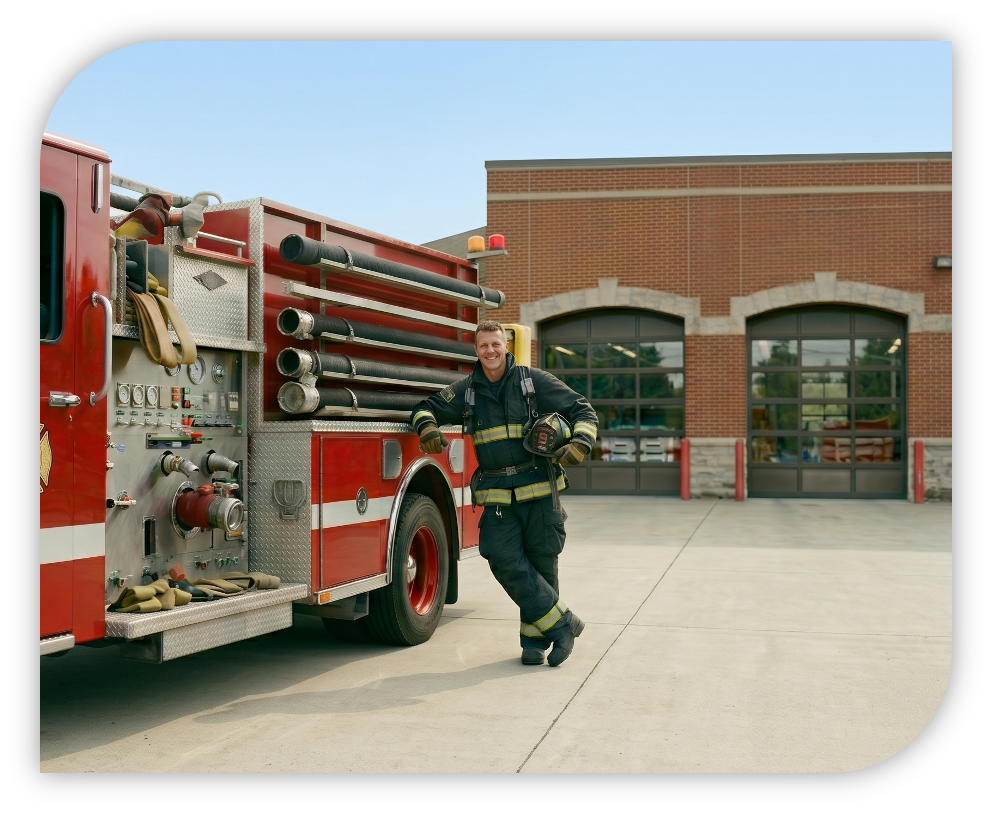
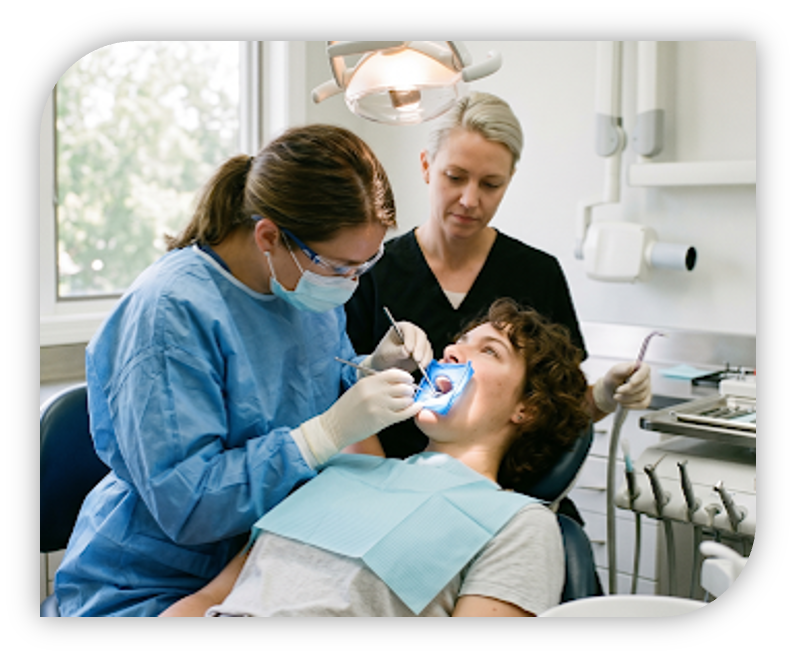
When we think of the dangers firefighters face, we immediately picture collapsing buildings, intense heat, and thick smoke. We think of the immediate, heroic risks taken to save lives. However, for many members of the fire service, the most dangerous part of the job isn't the fire itself; it’s the toxic aftermath that lingers long after the flames are extinguished.
A key study conducted by the National Institute for Occupational Safety and Health (NIOSH) has shed light on a sobering reality: firefighters have higher rates of cancer diagnoses and cancer-related deaths compared to the general U.S. population.
Understanding the Study
The NIOSH study, which followed nearly 30,000 career firefighters over several decades, found that firefighters are at a significantly higher risk for various types of cancer. This isn't just due to a single incident, but rather the cumulative effect of being exposed to a "cocktail" of carcinogens.
When modern materials like plastics, foams, and synthetic chemicals burn, they release toxic contaminants. These carcinogens can be inhaled or absorbed through the skin, even when wearing personal protective equipment (PPE). The study highlighted that the excess cancer risk was primarily driven by:
- - Respiratory cancers (from inhaled particulates)
- - Digestive cancers
- - Urinary cancers
- - Mesothelioma (linked to asbestos exposure)
The Growing Concern: Oral and Pharyngeal Cancers
While the general cancer risk is alarming, the NIOSH findings revealed a specific and significant increase in oral cancers among firefighters. The mouth and throat act as a primary gateway for toxins, making these tissues particularly vulnerable to the carcinogenic byproducts of fire.
Oral cancer is often difficult to detect in its early stages because the symptoms can be subtle or easily mistaken for less serious issues. For firefighters, whose "office" is filled with combustion byproducts, the risk of developing these malignancies is not just a possibility; it is a statistically proven occupational hazard.
Why Early Detection is the Best Defense
The NIOSH study serves as a call to action for better education, improved decontamination protocols, and most importantly, proactive health monitoring. For firefighters, traditional "wait and see" approaches to health aren't enough.
Because oral cancer is often caught in late stages, the survival rates can be lower and treatment more invasive. This is where cutting-edge science is changing the game.
The New Frontier of Salivary Diagnostics
At OrisDX, we recognize that those who protect our communities deserve the best protection for their health. Salivary diagnostics coupled with Next Generation Sequencing offers a non-invasive, highly effective way to detect somatic mutations indicative of oral cancer.
Unlike traditional biopsies or invasive screenings, a simple saliva test can detect molecular changes at the earliest occurrences. For firefighters, who are already under immense physical stress, having a fast, painless, and accurate screening tool is essential.
We owe it to our firefighters to provide more than just heavy gear and oxygen tanks. We owe them a pathway to long-term health. By understanding the risks highlighted by the NIOSH study and utilizing advanced tools like salivary diagnostics, we can ensure that cancer is caught early and treated effectively while our firefighters live long, full lives.
Read the full study here:
https://www.cdc.gov/niosh/bulletin/2014/firefighting-cancer.html#:~:text=Higher%20cancer%20rates,a%20few%20bladder%20cancer%20cases