

Understanding Head and Neck Cancers

Head and neck cancer is the 6th most common cancer
Early Detection Remains the Best Defense
Catching oral cancer in its earliest stages allows clinicians to treat localized lesions before malignant cells spread to nearby lymph nodes or distant tissues. Early intervention dramatically improves prognosis, boosting five-year survival rates from under 50% for advanced cases to nearly 90%. Beyond survival, early-stage treatment requires significantly less invasive procedures, better preserving essential functions like speech, swallowing, and facial structure.
What causes head and cancer?
Oral cancer develops when changes in a cell’s DNA disrupt normal growth and division. Several exposures can increase the chance of these changes, but having a risk factor does not mean that a person will develop cancer.
- Tobacco: Cigarettes, cigars, pipes, chewing tobacco, and snuff increase the risk of cancers in the mouth.
- Alcohol: Alcohol use increases risk, particularly with heavier consumption. Using tobacco and alcohol together raises risk further.
- Areca nut and betel quid: Chewing these products increases oral cancer risk, even when they contain no tobacco.
- Sun exposure: Long-term exposure to ultraviolet light increases the risk of cancer on the lips.
Where HPV fits: Certain types of human papillomavirus (HPV), especially HPV-16, cause cancers of the oropharynx, including the tonsils and base of the tongue. These throat cancers are distinct from cancers that begin in the oral cavity.
Oral cancer can also occur in people with no known risk factors. Talk with your dental or medical provider about your personal risk and any persistent changes in your mouth.
Sources: National Cancer Institute, Head and neck cancer prevention and Lip and oral cavity cancer.
How oral cancer affects patients
Oral cancer and its treatment can affect everyday activities, including eating, speaking, and spending time with others. The effects vary with the location and extent of the cancer and the treatment received; some are temporary, while others require ongoing care.
- Eating and nutrition: Mouth pain, sores, dry mouth, changes in taste, and difficulty chewing or swallowing can make meals challenging. When eating and drinking become difficult, patients may face weight loss, dehydration, or poor nutrition.
- Speech and communication: Changes in the mouth, limited jaw movement, and reduced saliva can affect speech. Speech and swallowing therapy can help patients manage these changes.
- Comfort and oral health: Treatment may cause painful inflammation, infections, or lasting dry mouth. Dental care and pain management are important parts of recovery.
- Emotional and social well-being: Pain and difficulty eating or speaking can affect confidence, social contact, and daily routines. Some patients experience anxiety or depression and may benefit from counseling or support from a social worker.
Support is part of treatment. A care team may include dental specialists, dietitians, speech therapists, and mental health professionals alongside the oncology team. Patients should tell their care team about symptoms that interfere with eating, drinking, sleeping, or daily life so support can be tailored to their needs.
Source: National Cancer Institute, Oral complications of cancer therapies.
Signs and symptoms to look out for
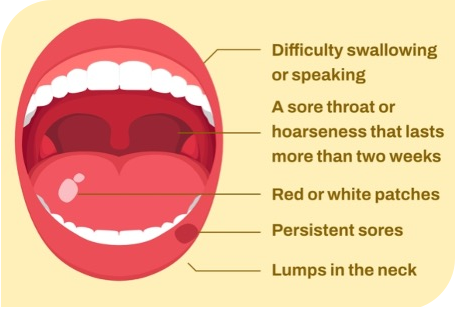
Oral cancer often develops silently, without obvious signs in its early stages. But there are a few key indicators that are common among oral cancer patients.